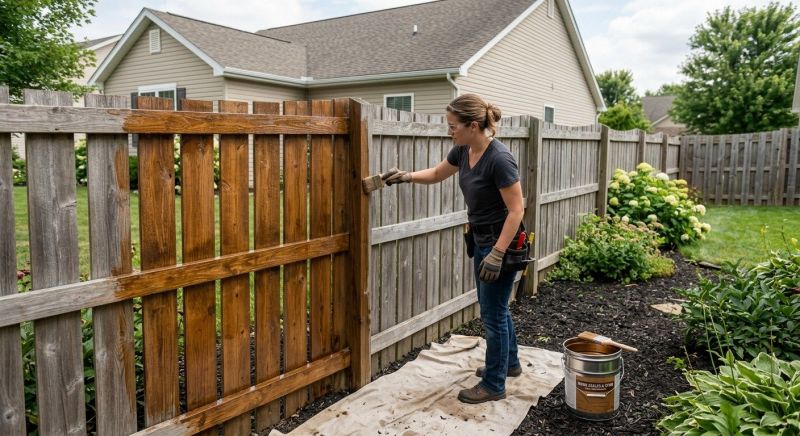
Cedar Fence Sealing in Seattle, WA
Cedar fence sealing services involve applying protective treatments to cedar fences to help preserve their appearance and durability. This process typically includes cleaning the fence surface and then applying a sealant that penetrates the wood, helping to prevent damage from moisture, sun exposure, and other environmental factors. Homeowners often request cedar fence sealing for projects such as new fence installations, existing fences showing signs of weathering, or fences that need to maintain their natural look while gaining added protection.
Before requesting cedar fence sealing, property owners usually want to understand the type of sealant used and how it affects the appearance of the wood. They may also inquire about the best timing for sealing, especially in relation to weather conditions, and whether the service can help extend the lifespan of their fence. Clarifying these details can ensure the treatment aligns with their aesthetic preferences and maintenance goals.
Many property owners in Seattle, WA look into Cedar Fence Sealing for repairs, replacements, upgrades, and appearance-related improvements.
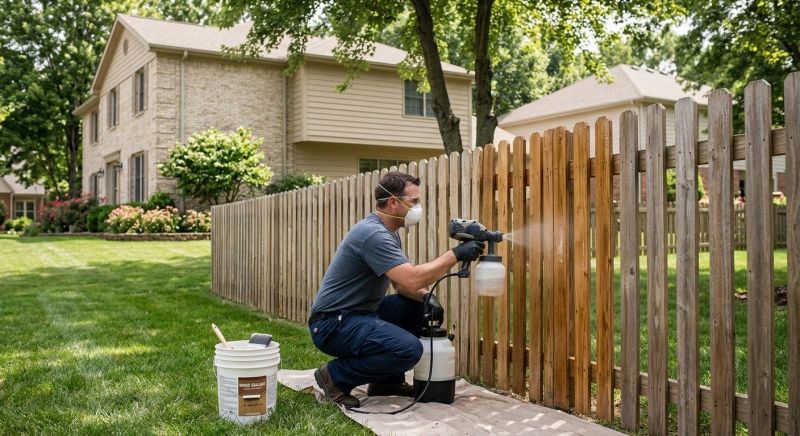
Protecting Cedar Fences
Sealing helps prevent weather damage and extends the lifespan of cedar fences in seattle.
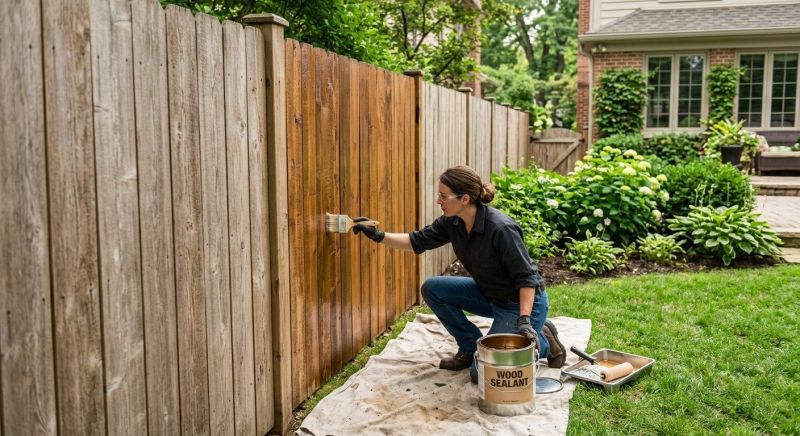
Enhancing Fence Appearance
A sealed cedar fence maintains its natural beauty and adds curb appeal to residential properties.
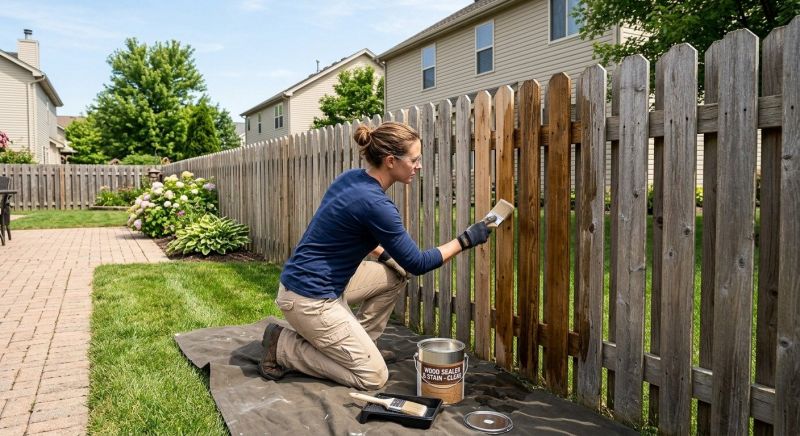
Maintaining Fence Durability
Regular sealing reduces the risk of rot, cracking, and insect damage for long-lasting fences.
Cedar Fence Sealing in Seattle, WA
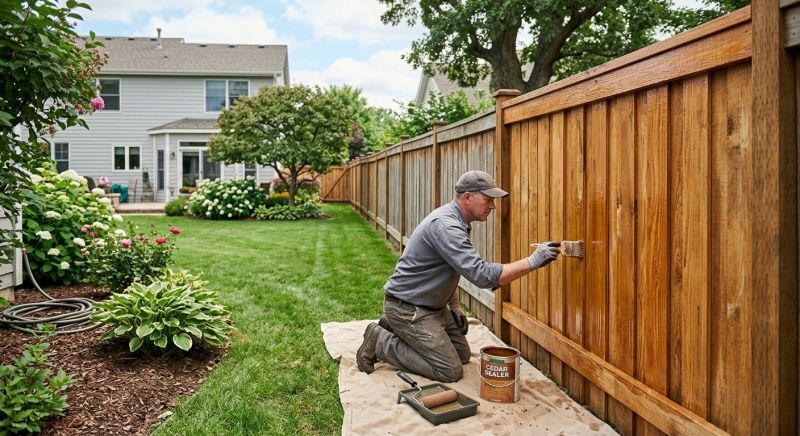
Cedar fence sealing services involve applying protective treatments to cedar fences to help preserve their appearance and durability. This process typically includes cleaning the fence surface and then applying a sealant that penetrates the wood, helping to prevent damage from moisture, sun exposure, and other environmental factors. Homeowners often request cedar fence sealing for projects such as new fence installations, existing fences showing signs of weathering, or fences that need to maintain their natural look while gaining added protection.
Before requesting cedar fence sealing, property owners usually want to understand the type of sealant used and how it affects the appearance of the wood. They may also inquire about the best timing for sealing, especially in relation to weather conditions, and whether the service can help extend the lifespan of their fence. Clarifying these details can ensure the treatment aligns with their aesthetic preferences and maintenance goals.
Many property owners in Seattle, WA look into Cedar Fence Sealing for repairs, replacements, upgrades, and appearance-related improvements.
Common Cedar Fence Sealing Jobs
Fence sealing for cedar fences helps protect wood from moisture and UV damage.
Weatherproofing cedar fences extends their lifespan and maintains appearance.
Sealing services for outdoor cedar structures prevent cracking, warping, and decay.
Protective coatings for cedar fencing enhance durability against rain and sun exposure.
Waterproofing cedar fences reduces the risk of rot and insect infestation.
Sealing cedar panels and gates helps preserve natural wood tones and finish.
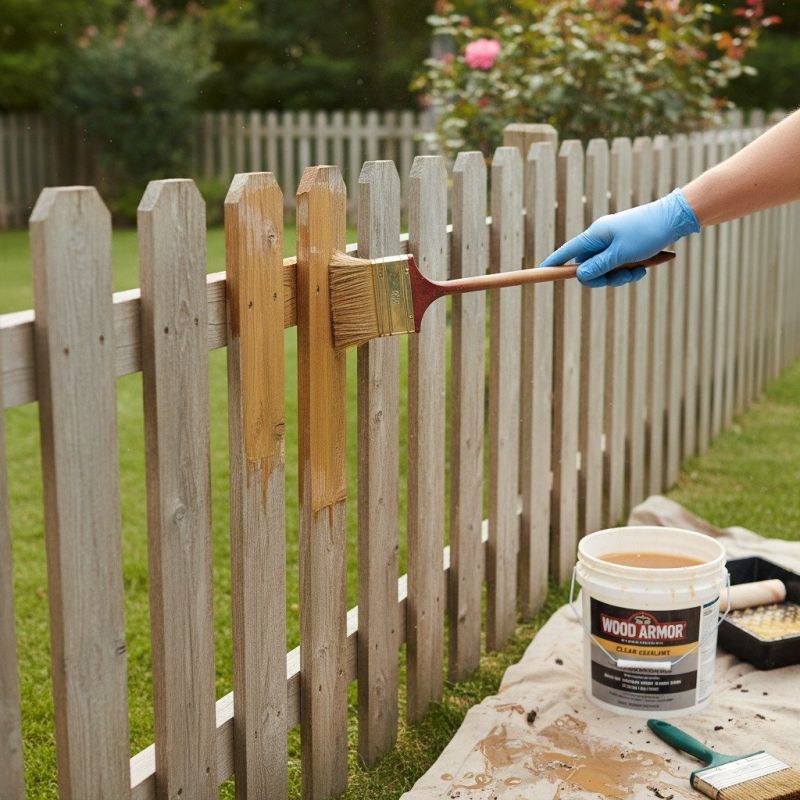
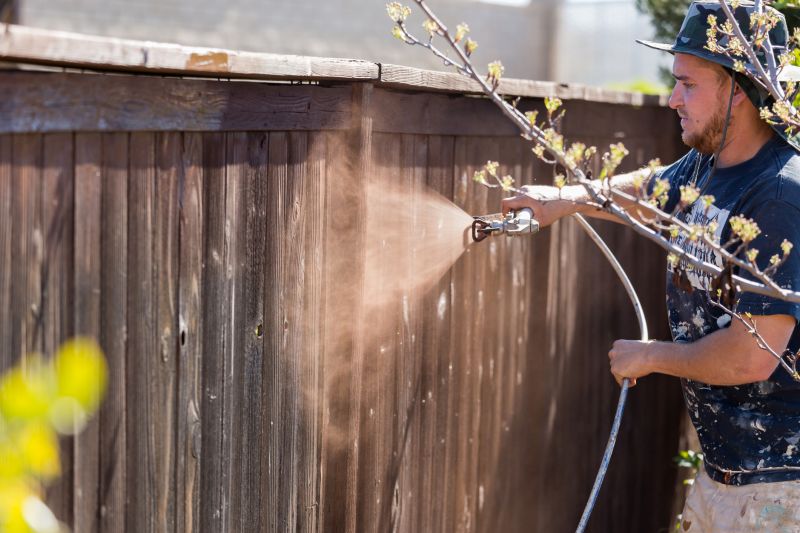
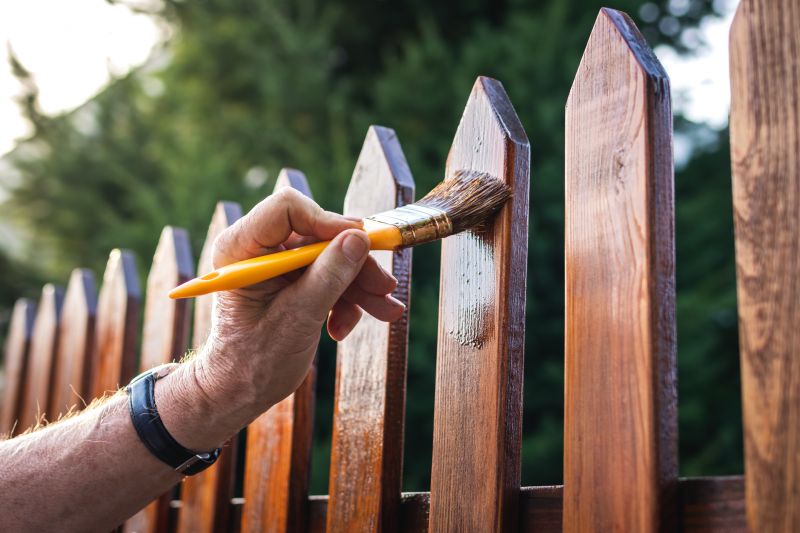
Cedar Fence Sealing Questions
What is cedar fence sealing? Cedar fence sealing involves applying a protective finish to help preserve the wood’s appearance and prevent damage from moisture and weather.
Why should property owners consider cedar fence sealing? Sealing enhances the fence’s durability, maintains its natural look, and reduces the need for frequent repairs or replacements.
When is the best time to seal a cedar fence? The ideal time to seal a cedar fence is during dry weather, typically in spring or early summer, when the wood is fully dry and conditions are suitable for absorption.
What types of finishes are used for cedar fence sealing? Clear sealers, semi-transparent stains, and protective coatings are common options that help protect cedar while showcasing its natural grain.
Request Cedar Fence Sealing in Seattle, WA
Use the quote form on this page to share the basics of your project and request more information for the type of work you need.